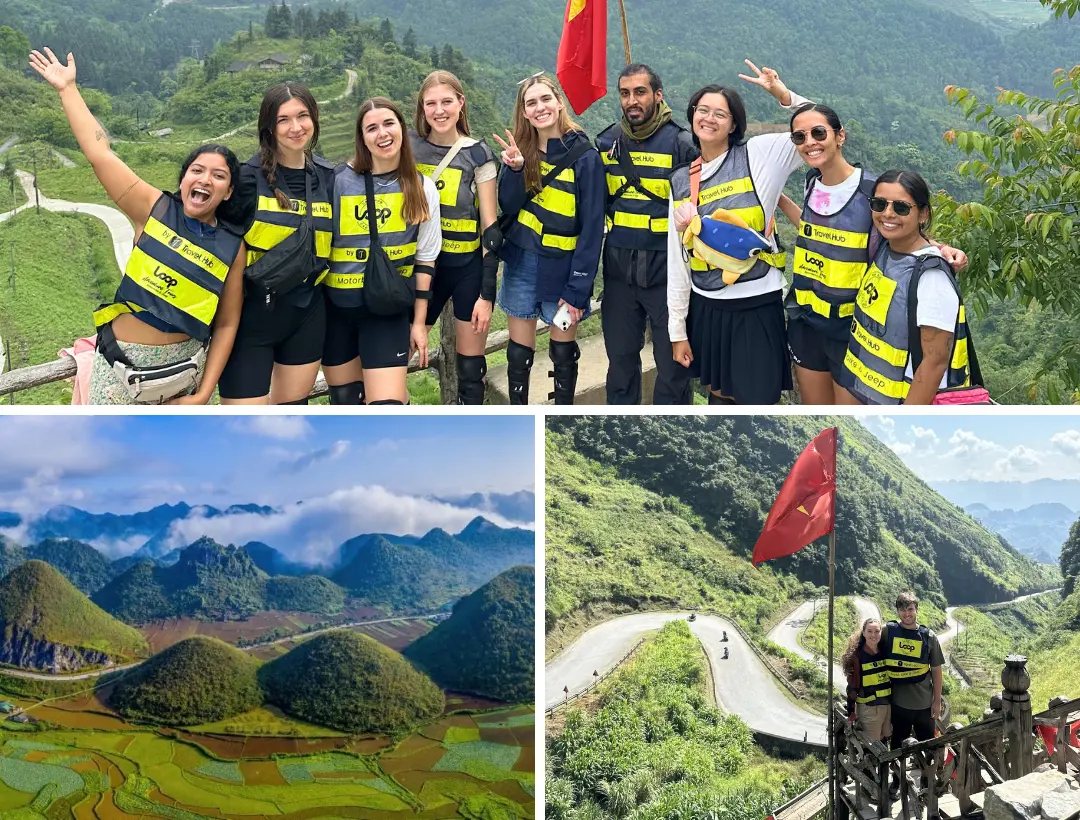


If you have six days to explore Northern Vietnam, a Ha Giang and Cao Bang combined itinerary 6 days is an excellent way to experience two of the region’s most spectacular destinations in one journey. Ha Giang and Cao Bang are both famous for dramatic mountain landscapes, ethnic cultures, winding roads, waterfalls, caves, and peaceful rural villages, but each destination offers a completely different atmosphere.
Ha Giang is known for the legendary Ha Giang Loop, spectacular mountain passes, deep valleys, and breathtaking viewpoints. Cao Bang offers a quieter experience with Ban Gioc Waterfall, Nguom Ngao Cave, rivers, limestone mountains, and traditional villages. Combining the two destinations allows travelers to experience both the adventurous and peaceful sides of Northern Vietnam without having to choose just one.
Six days is long enough to create a well-balanced itinerary, although careful planning is important because both regions are mountainous and travel between attractions can take longer than expected. With the right route, you can enjoy the major highlights while still leaving enough time to appreciate the scenery and local culture.
Recommended Tours for You:
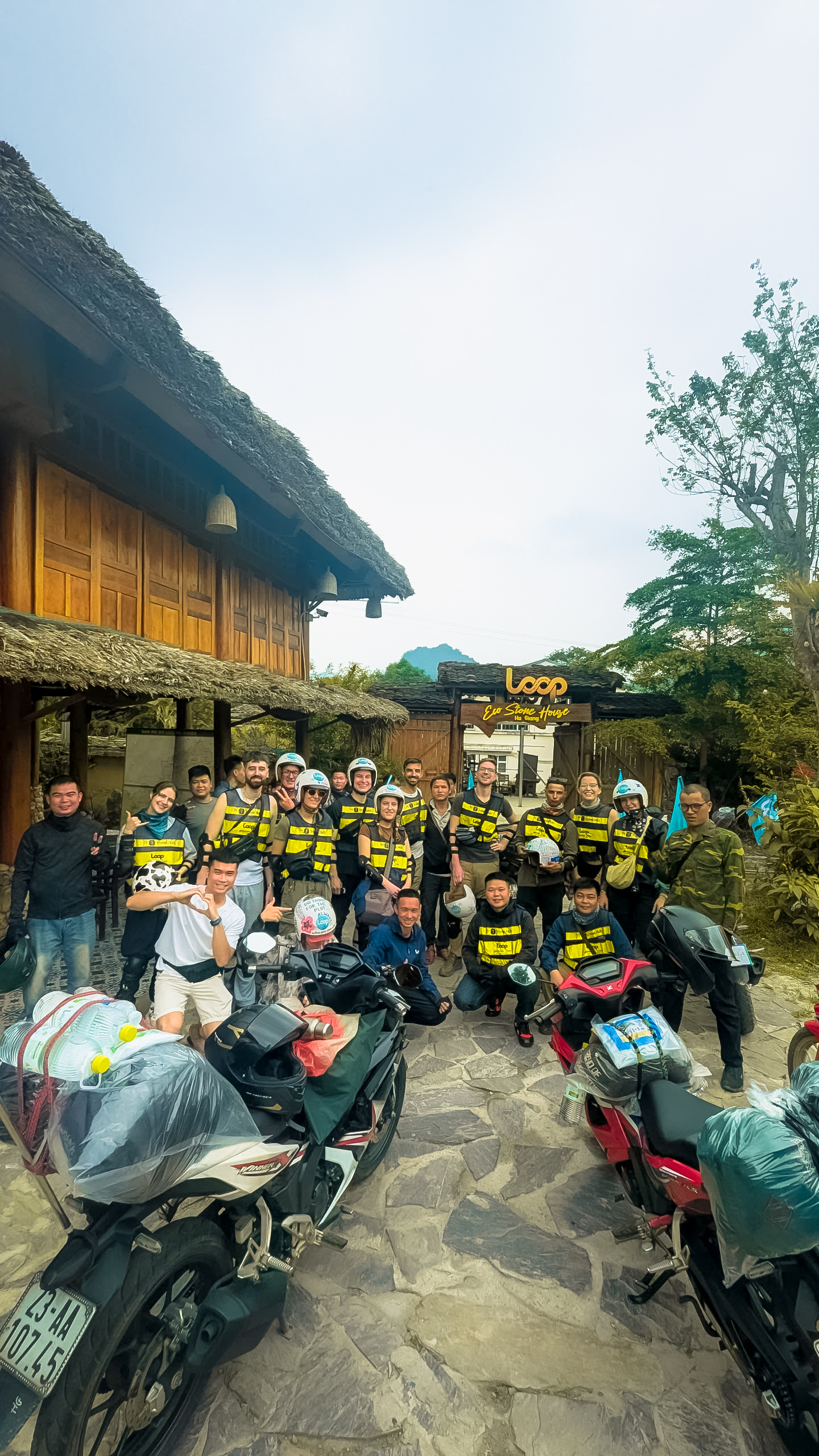
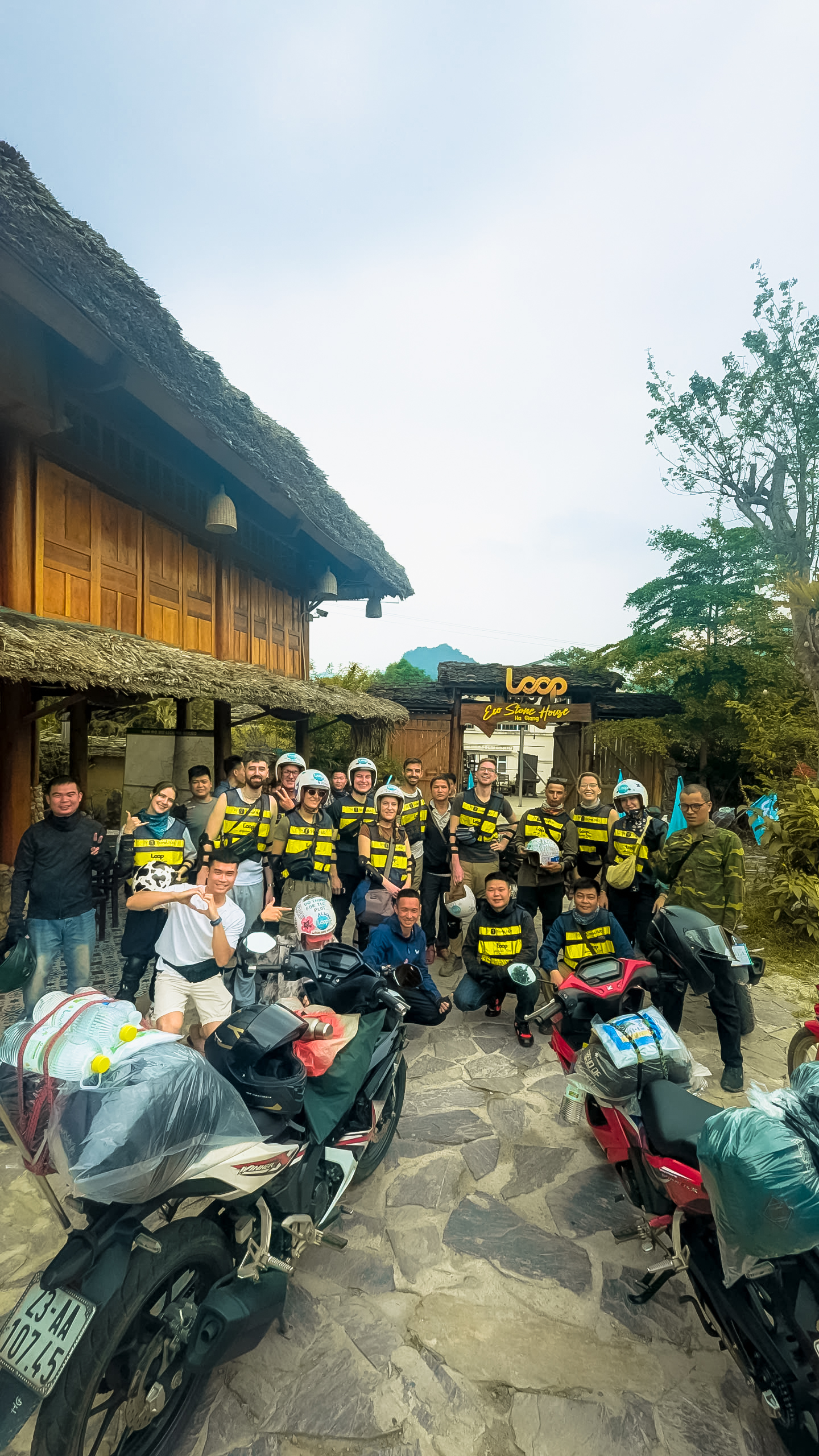
Explore Ha Giang and Cao Bang with The Loop Tour
Planning a six-day journey through two remote mountain provinces can be challenging, especially for international travelers who are unfamiliar with the roads and distances in Northern Vietnam. Transportation, accommodation, sightseeing stops, and daily travel times all need to work together if you want to avoid spending too much of your holiday on unnecessary transfers.
Choosing a suitable package with The Loop Tour can make the experience much easier. Instead of arranging every part of the journey separately, travelers can choose an itinerary based on their available time, budget, preferred transportation, and travel style. This can help reduce unnecessary backtracking while making it easier to enjoy the main attractions in both Ha Giang and Cao Bang.
A combined tour is also a practical way to optimize costs. Rather than arranging separate transportation and accommodation for each destination, travelers can follow one connected itinerary with local support. This allows you to spend more time enjoying the landscapes, local food, and cultural experiences instead of constantly checking routes and transportation schedules.
Day 1: Hanoi to Ha Giang and Begin the Mountain Journey
The first day of the journey is about reaching Ha Giang and gradually transitioning from the busy atmosphere of northern Vietnam’s cities into the peaceful mountain environment. Once you leave the urban areas behind, the scenery begins to change as green hills, valleys, rivers, and traditional villages appear along the route.
After arriving in Ha Giang, travelers can begin exploring the surrounding area or prepare for the Ha Giang Loop. Depending on the selected itinerary, the first day can include scenic viewpoints and local cultural stops before spending the night in a comfortable homestay or hotel.
Keeping the first day relatively relaxed is useful because the following days involve longer journeys through mountainous terrain. It also gives travelers an opportunity to meet local guides or easy riders and become familiar with the itinerary ahead.
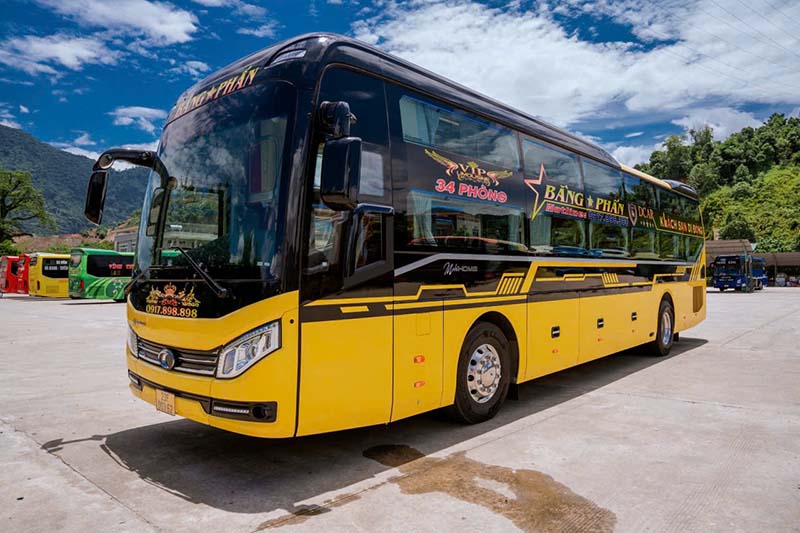
Day 2: Ha Giang Loop Through Dong Van
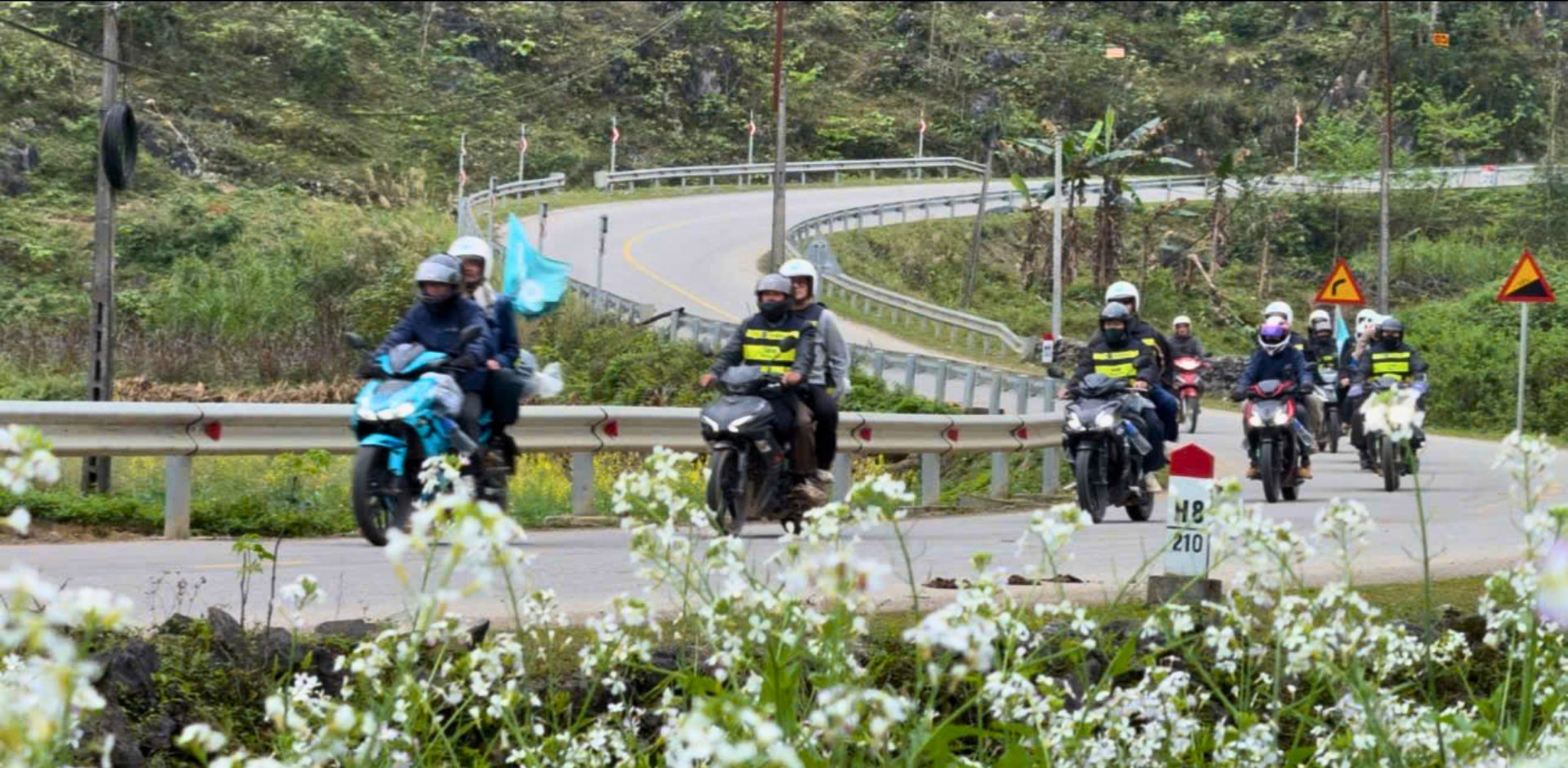
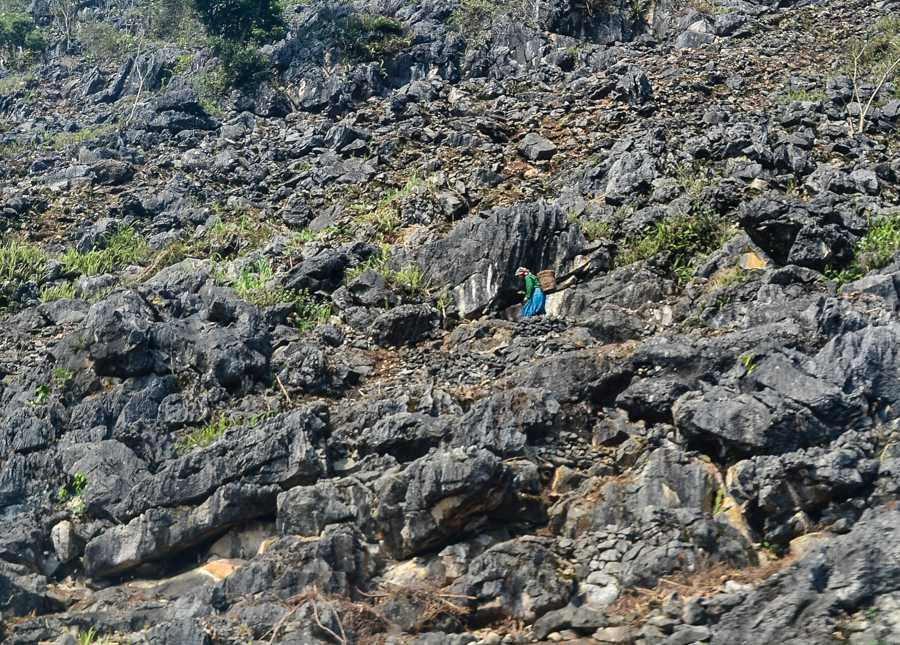
The second day takes you deeper into the mountains and introduces some of the landscapes that have made the Ha Giang Loop famous around the world. The route passes through winding mountain roads, limestone peaks, valleys, and traditional villages, with numerous opportunities to stop for photographs and enjoy the scenery.
Dong Van is one of the most important destinations along the route. The area is part of the Dong Van Karst Plateau, where impressive geological formations create a landscape unlike most other places in Vietnam. Travelers can also encounter local ethnic communities and discover traditional houses, agricultural practices, and everyday life in the highlands.
The journey is not simply about reaching Dong Van. The roads and viewpoints along the way are an important part of the experience, so allowing enough time for spontaneous stops can make the day much more enjoyable.
Day 3: Ma Pi Leng Pass, Nho Que River and Meo Vac
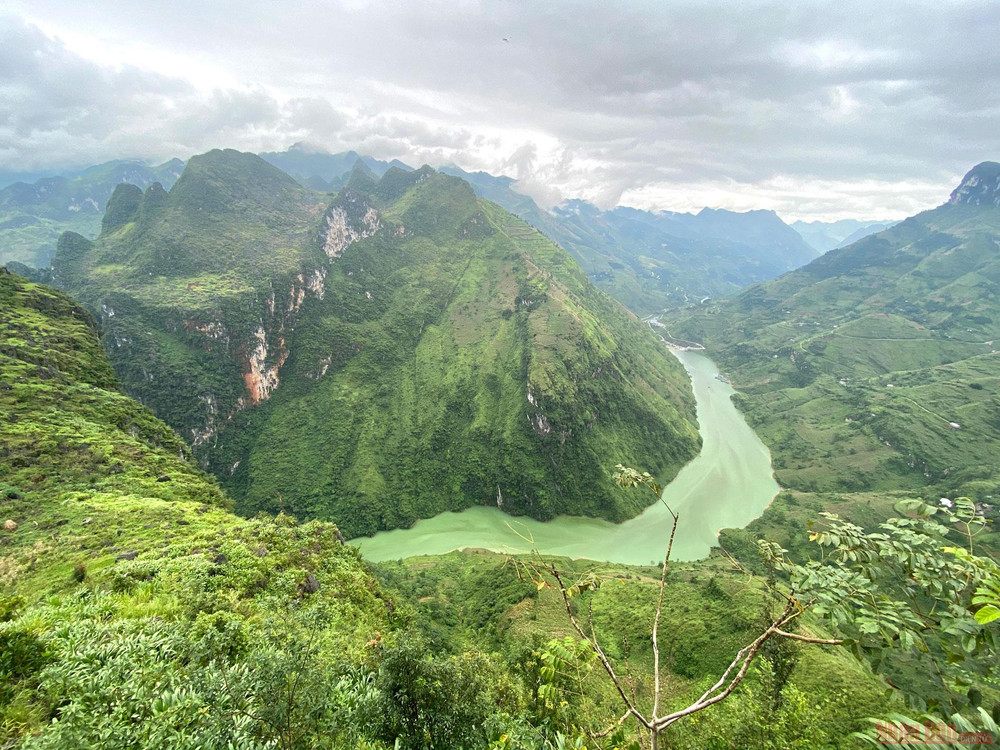
The third day is often the highlight of the Ha Giang section. Ma Pi Leng Pass offers spectacular views across towering limestone mountains and deep valleys, with the Nho Que River flowing far below. The dramatic combination of cliffs, winding roads, and green landscapes makes this one of the most memorable areas in Northern Vietnam.
A trip on the Nho Que River can provide a different perspective of the landscape. From the water, the enormous cliffs surrounding the river become even more impressive, creating a peaceful contrast to the winding mountain roads above.
The journey can then continue toward Meo Vac and other mountain communities before resting for the night. By this point, travelers will have experienced the most iconic landscapes associated with the Ha Giang Loop while still having time to appreciate the local culture.
Day 4: From Ha Giang Toward Cao Bang
The fourth day is the transition between the two destinations. Instead of treating this as simply a transportation day, a well-planned itinerary can include scenic countryside, local villages, and interesting stops along the way.
The landscape gradually changes as you move away from the familiar scenery of the Ha Giang Loop. Mountains, valleys, rivers, and rural communities continue to dominate the journey, but the atmosphere becomes increasingly peaceful as you approach Cao Bang.
Because the transfer between the two regions can take considerable time, it is important not to overload this day with too many attractions. A comfortable schedule allows travelers to arrive in Cao Bang with enough energy to enjoy the following days rather than feeling exhausted from constant travel.
Day 5: Ban Gioc Waterfall and Nguom Ngao Cave
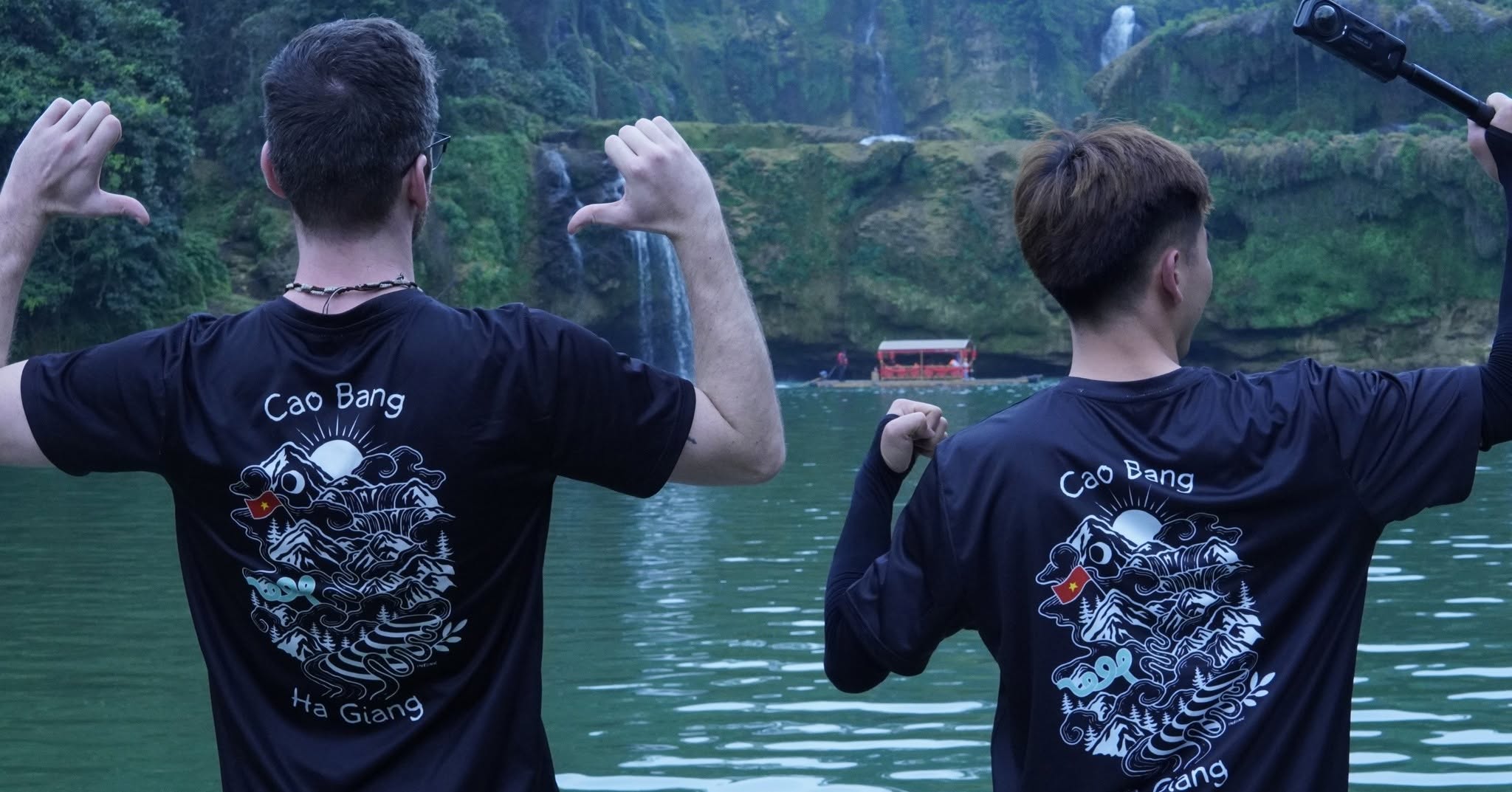
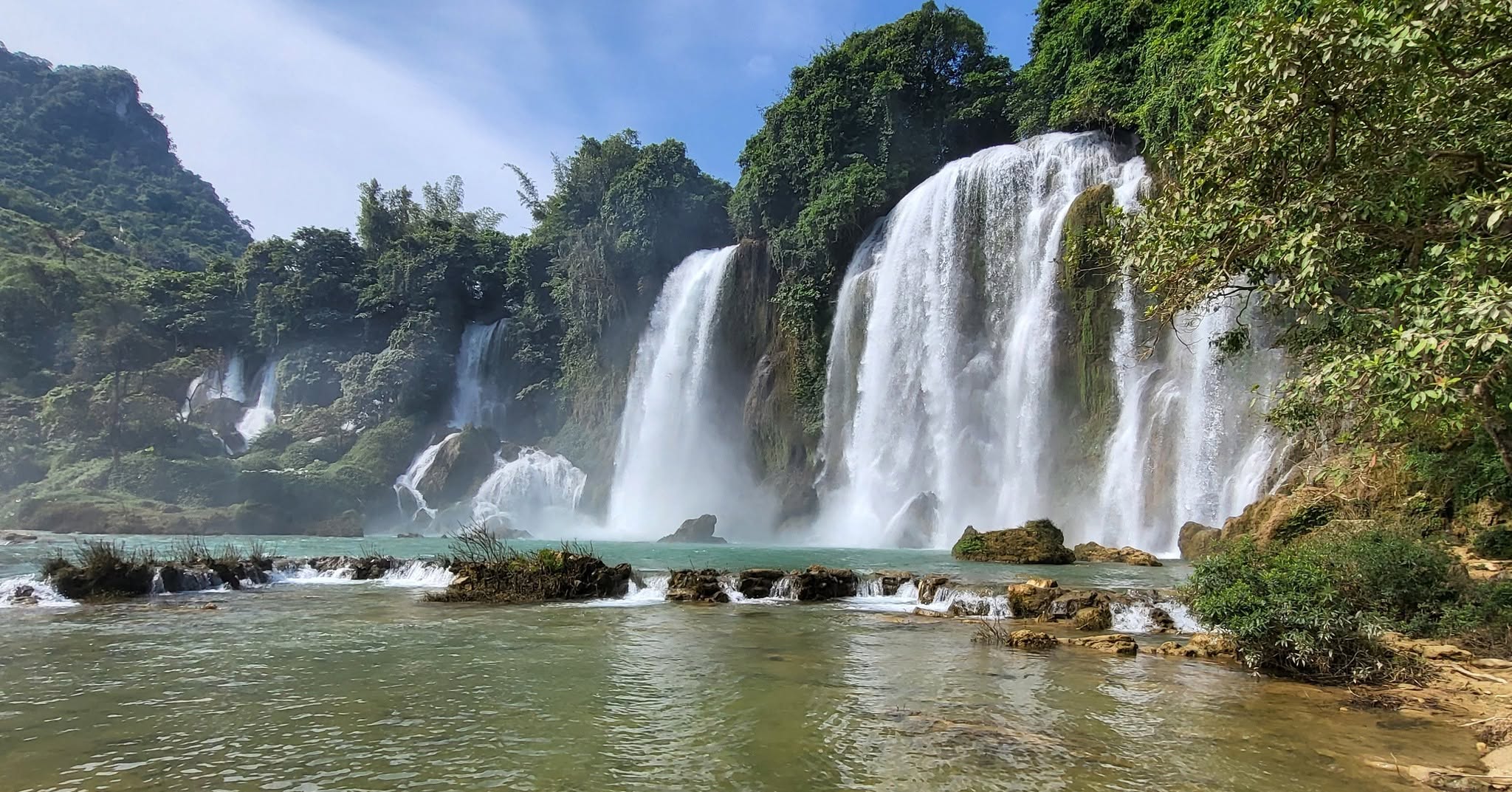
The fifth day is dedicated to some of Cao Bang’s most famous natural attractions. Ban Gioc Waterfall is the major highlight, offering a spectacular combination of flowing water, limestone mountains, rivers, and green countryside.
The atmosphere around Ban Gioc is very different from Ha Giang. Instead of dramatic mountain passes and winding roads dominating the landscape, the scenery feels calmer and more open. Travelers can take their time enjoying the waterfall, photographing the surrounding countryside, and appreciating the peaceful atmosphere.
Nguom Ngao Cave is another major attraction in the area. Inside the cave, visitors can discover impressive limestone formations created over long periods of geological development. Combining the waterfall and cave makes the day particularly varied, with both outdoor scenery and an underground natural environment.
Day 6: Cao Bang Countryside and Return Journey
The final day provides an opportunity to experience a quieter side of Cao Bang before beginning the return journey. Depending on the route and departure time, travelers can explore local villages, countryside landscapes, rivers, or traditional communities.
Spending time in these areas allows visitors to see another side of Northern Vietnam beyond the famous tourist attractions. Traditional houses, agricultural landscapes, local food, and everyday village life can become some of the most memorable parts of the entire six-day journey.
After exploring Cao Bang, travelers can begin their return journey according to their onward travel plans. For visitors returning to Hanoi, transportation should be arranged carefully because the journey from the northern mountains can take several hours.
Why Combine Ha Giang and Cao Bang in One Trip?
The biggest advantage of combining Ha Giang and Cao Bang is the variety of experiences. Ha Giang provides dramatic mountain passes, deep valleys, spectacular viewpoints, and the excitement of the famous Ha Giang Loop. Cao Bang offers waterfalls, caves, rivers, peaceful countryside, and a slower connection with nature.
The two destinations therefore complement each other rather than feeling repetitive. Travelers can spend the first part of the journey experiencing the adventurous side of Northern Vietnam before moving into the calmer landscapes of Cao Bang.
A six-day itinerary also provides enough time to experience the highlights without trying to complete both destinations in just a few days. This is particularly important in mountainous regions where rushing between attractions can take away from the actual travel experience.
Is a 6-Day Ha Giang and Cao Bang Itinerary Suitable for Beginners?
A combined six-day journey can be suitable for beginners as long as the itinerary is realistic and transportation is chosen according to the traveler's experience. Those who are not confident riding motorcycles should not feel pressured to self-drive the Ha Giang Loop simply because it is a popular activity.
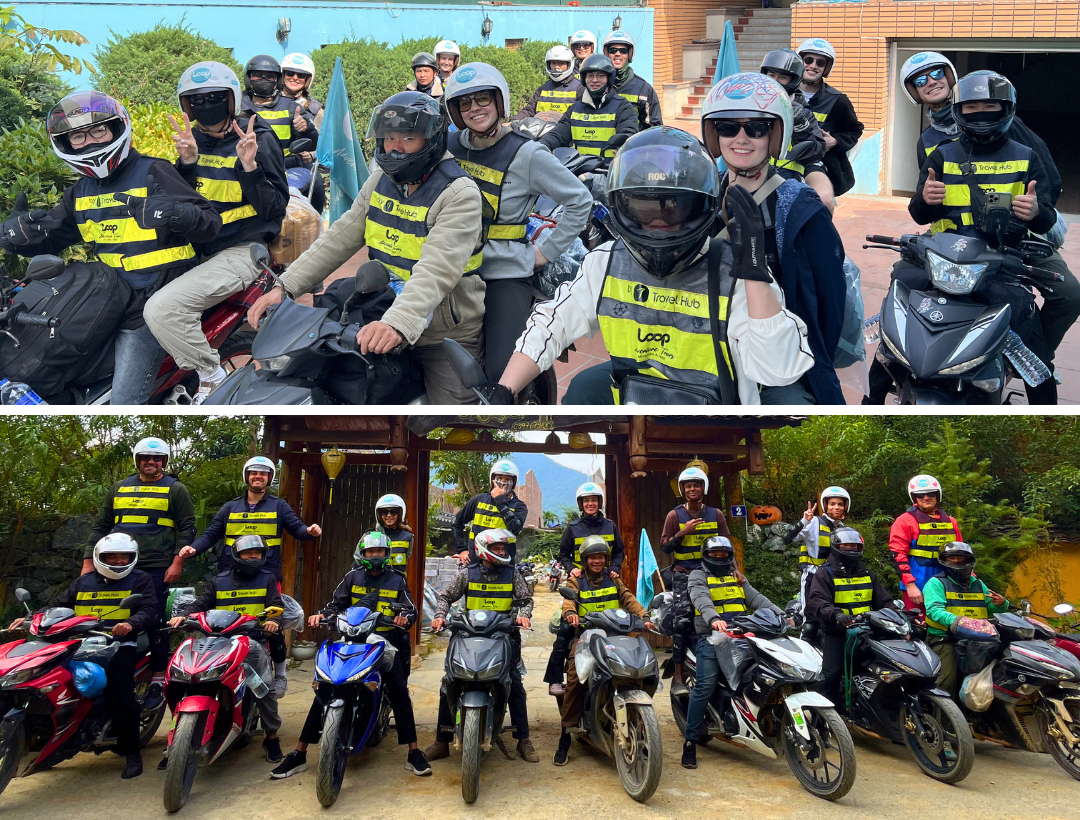
An easy rider or guided option can make the Ha Giang section much more comfortable. Travelers can enjoy the scenery while an experienced local rider handles the mountain roads. This is particularly useful for international visitors who have little experience riding in Vietnam.
Cao Bang can then provide a slower second half of the trip, allowing travelers to enjoy waterfalls, caves, villages, and countryside without maintaining the same level of intensity.
What Should You Pack for the Journey?
Because the itinerary covers two mountainous regions, travelers should prepare for changing conditions. Comfortable clothing, good walking shoes, a light waterproof jacket, sun protection, and warm layers are useful throughout the year. Temperatures can also be noticeably cooler in the mountains, particularly during early mornings and evenings.
Travelers should avoid bringing excessive luggage because moving between accommodations and traveling on mountain roads is easier with a smaller bag. A waterproof bag or protective cover is also useful for phones, cameras, and other electronic equipment.

Final Thoughts: Ha Giang and Cao Bang Combined Itinerary 6 Days
A Ha Giang and Cao Bang combined itinerary 6 days is one of the best ways to experience the diversity of Northern Vietnam in a relatively short period. Ha Giang provides the dramatic adventure of the famous mountain loop, with Dong Van, Ma Pi Leng Pass, Meo Vac, and the Nho Que River creating unforgettable landscapes.
Cao Bang adds a completely different atmosphere with Ban Gioc Waterfall, Nguom Ngao Cave, peaceful valleys, rivers, and traditional villages. The contrast between the two regions makes the journey more interesting and gives travelers a broader understanding of Northern Vietnam.
If you want to experience both destinations while keeping transportation, accommodation, and daily routes manageable, choosing a suitable package with The Loop Tour can help optimize both time and costs. Instead of worrying about every logistical detail, you can focus on the mountains, waterfalls, local cultures, and experiences that make this part of Vietnam so special.
For travelers with six days available, combining Ha Giang and Cao Bang is not simply a way to visit more places. It is an opportunity to experience two very different sides of Northern Vietnam in one memorable journey.