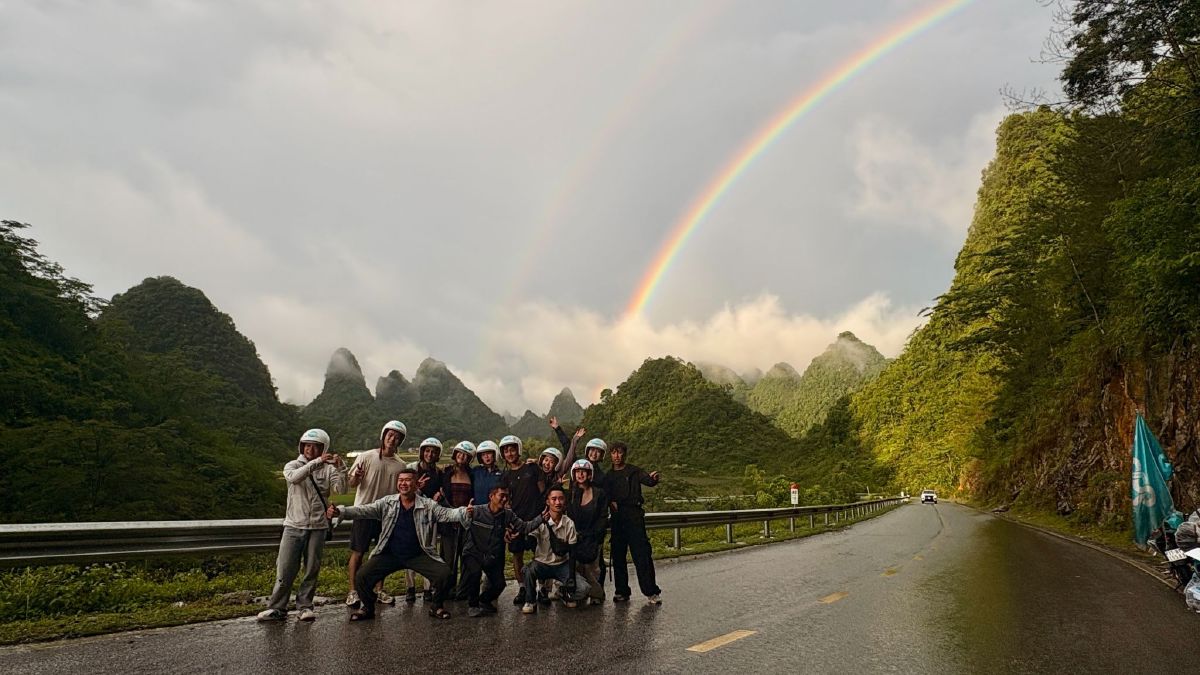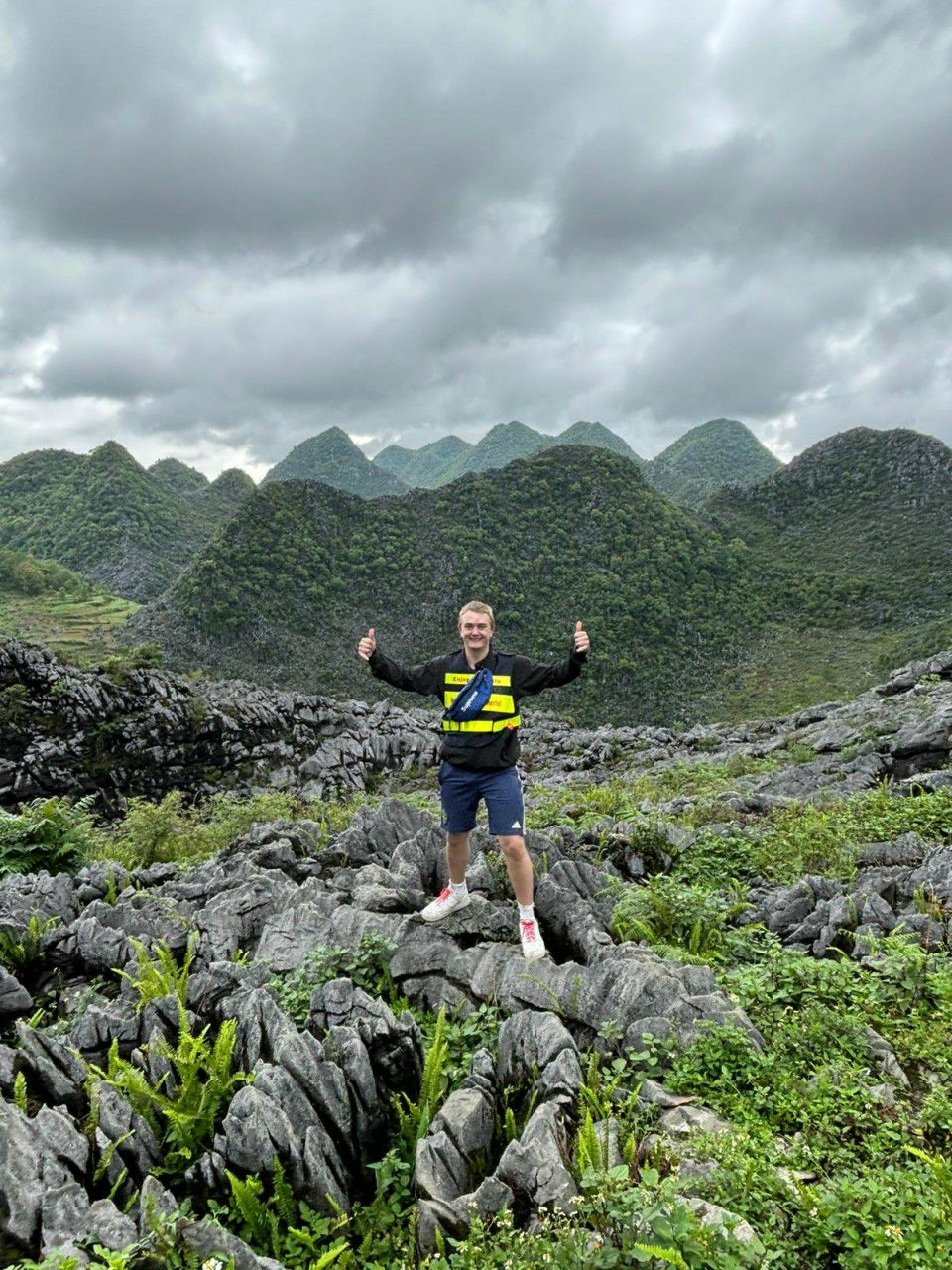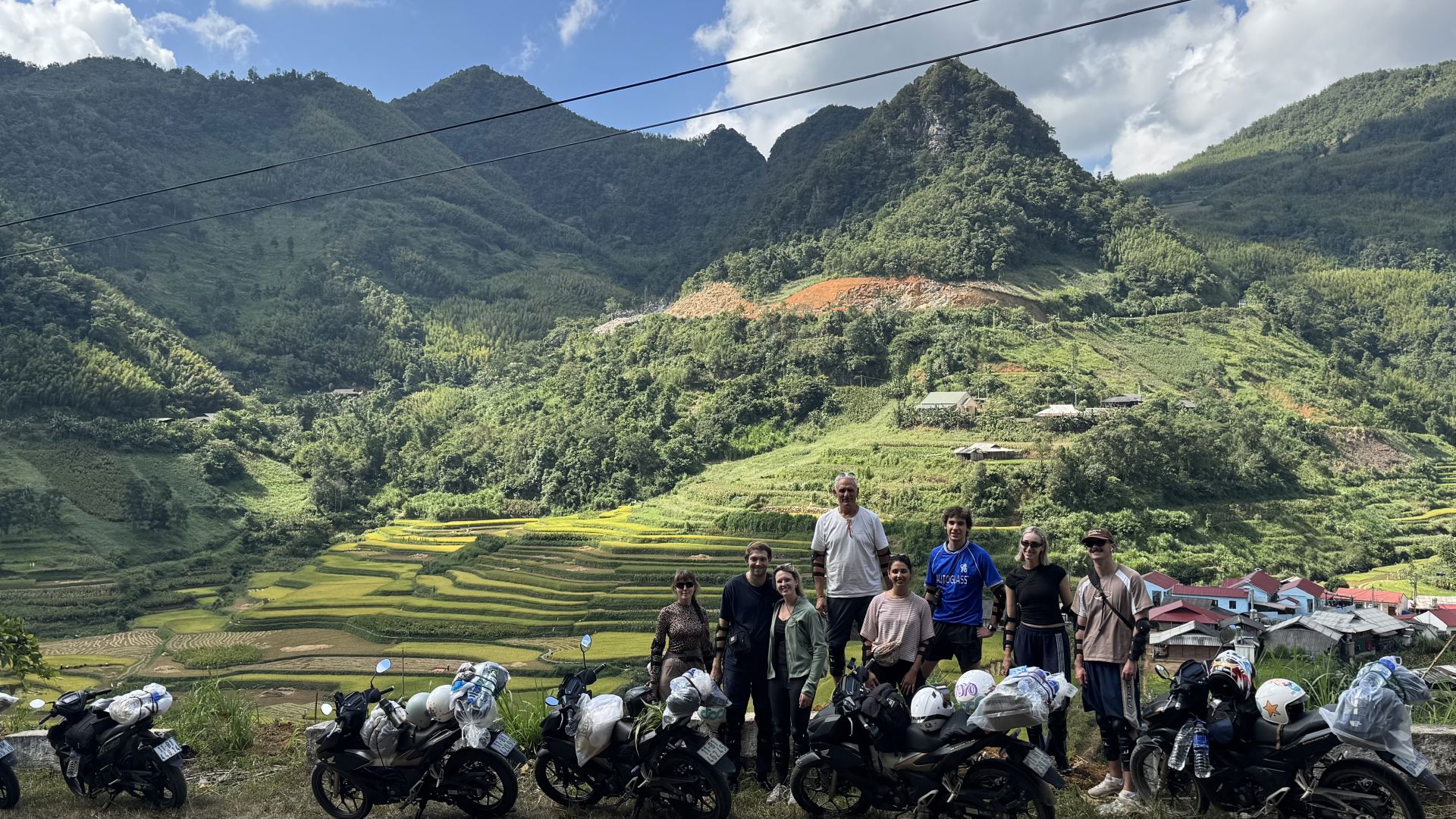


If you are looking for a destination filled with dramatic landscapes, peaceful villages, waterfalls, caves, mountain roads, and authentic local culture, this Cao Bang photography itinerary is perfect for you. Located in northern Vietnam, Cao Bang is one of the most photogenic provinces in the country. It offers a rare combination of limestone peaks, emerald rivers, rice valleys, traditional ethnic villages, misty mountain roads, and one of Vietnam’s most impressive waterfalls: Ban Gioc Waterfall.
Unlike more crowded destinations, Cao Bang still feels raw, quiet, and deeply local. For photographers, this is a major advantage. You can capture real moments: farmers working in the fields, children walking through villages, morning mist over the mountains, motorbikes on winding passes, and soft light falling over stone houses.
This guide is designed for travelers who want more than quick snapshots. It will help you plan a meaningful photography journey through Cao Bang, with suggested stops, best shooting times, and practical travel tips.
Perfect Tours for You:
Why Cao Bang Is Perfect for Photography
Cao Bang is a dream destination for landscape, travel, street, and cultural photography. The province has many different visual layers. In one day, you can photograph a peaceful river, a mountain pass, a local market, a cave, and a village dinner at a homestay.
The scenery changes constantly. Limestone mountains create strong shapes and dramatic backgrounds. Rice fields add color and texture. Rivers and waterfalls bring movement. Local villages offer human stories. Even simple roadside scenes can become powerful photographs when the light is right.
A good Cao Bang photography itinerary should not only focus on famous attractions. It should also include slow travel moments, early mornings, local meals, village walks, and scenic stops along the road. These are often the photos that feel the most personal.
Day 1: Cao Bang City, Local Streets, and Pac Bo
Start your photography journey in Cao Bang City. Although many travelers treat the city as a simple base, it is a good place to begin capturing everyday life. In the morning, visit local breakfast stalls, markets, cafés, and streets around the city center. You can photograph bowls of bánh cuốn, phở chua, vendors preparing food, and locals starting their day.
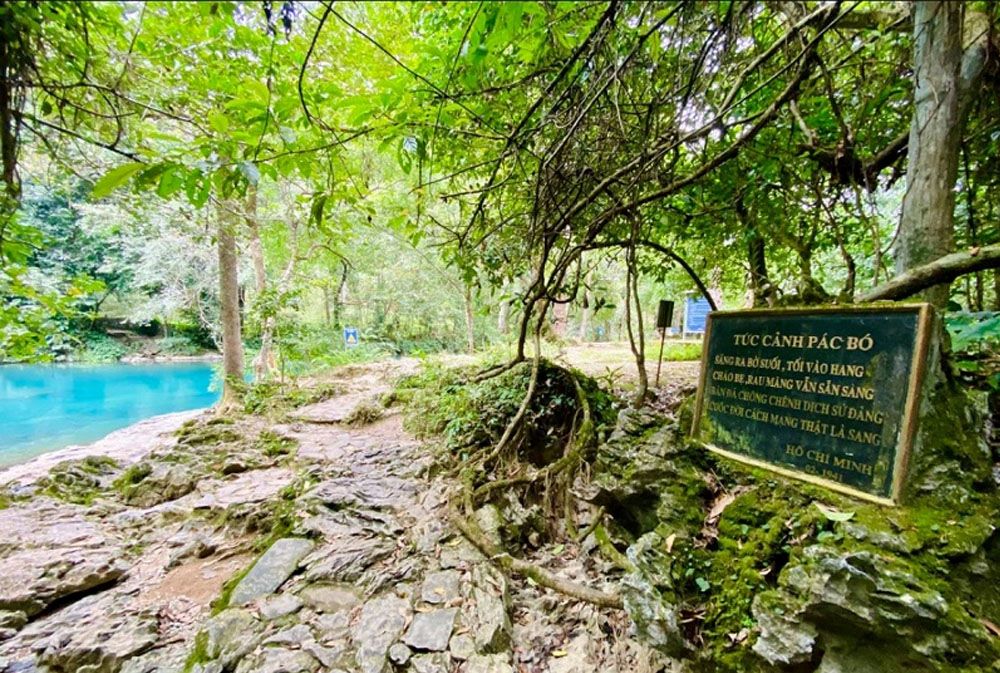
From Cao Bang City, continue to Pac Bo. This area is known for its clear stream, green water, forested landscape, and historical atmosphere. For photography, focus on reflections, natural colors, walking paths, and quiet details. The water can look especially beautiful when the light is soft and there are fewer visitors.
In the late afternoon, return to Cao Bang City or stay along your route, depending on your full plan. Evening is a good time to capture street food, café scenes, and local life after dark.
Day 2: Mountain Roads, Phia Oac, and Phia Den
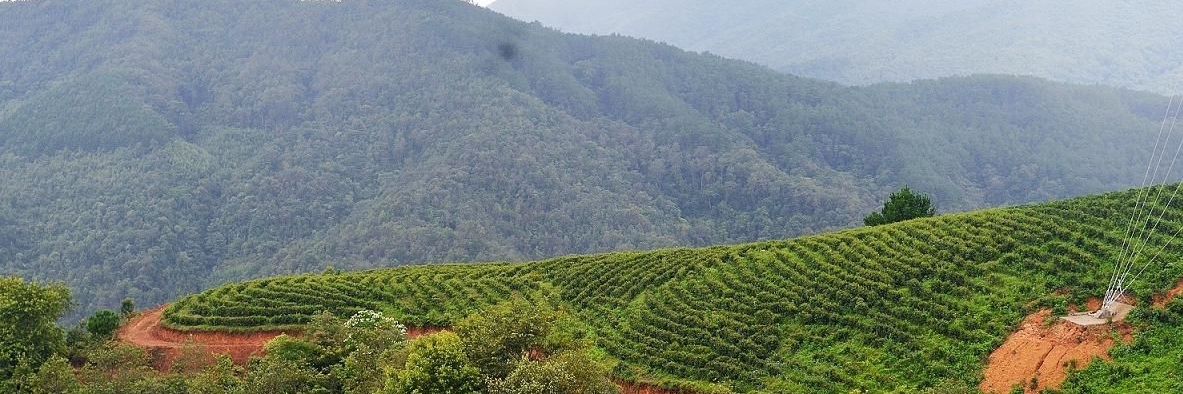
The second day of this Cao Bang photography itinerary is ideal for mountain and nature photography. Head toward Nguyen Binh and the Phia Oac - Phia Den area. This region is known for cool weather, forests, winding roads, misty hills, and peaceful highland scenery.
For landscape photographers, this area offers a different mood from the Ban Gioc side of Cao Bang. Instead of wide waterfalls and limestone valleys, you will find forest roads, mountain slopes, old buildings, clouds, and quiet villages.
Morning and late afternoon are the best times to shoot. If the weather is misty, do not be disappointed. Mist can create depth and atmosphere in your images. Look for layers of hills, silhouettes of trees, and people moving through the landscape.
This is also a good area for slow travel portraits. If you meet local people, always ask politely before taking close-up photos. Respectful photography creates better images and better travel experiences.
Day 3: Scenic Passes, Ethnic Villages, and Local Life
A strong Cao Bang photo journey should include the roads between destinations. Some of the best images are not found at official attractions but along the route itself. On this day, focus on mountain passes, villages, roadside markets, rice fields, and daily life.
Depending on your route, you may pass through valleys, small towns, terraced fields, and limestone landscapes. Stop often, but stop safely. Do not block the road, and be careful when photographing near curves or steep sections.
For travel photography, include both wide shots and details. A wide shot can show a mountain road disappearing into the hills. A detail shot can show a hand preparing food, a basket of vegetables, a motorbike mirror, or sunlight on a village wall.
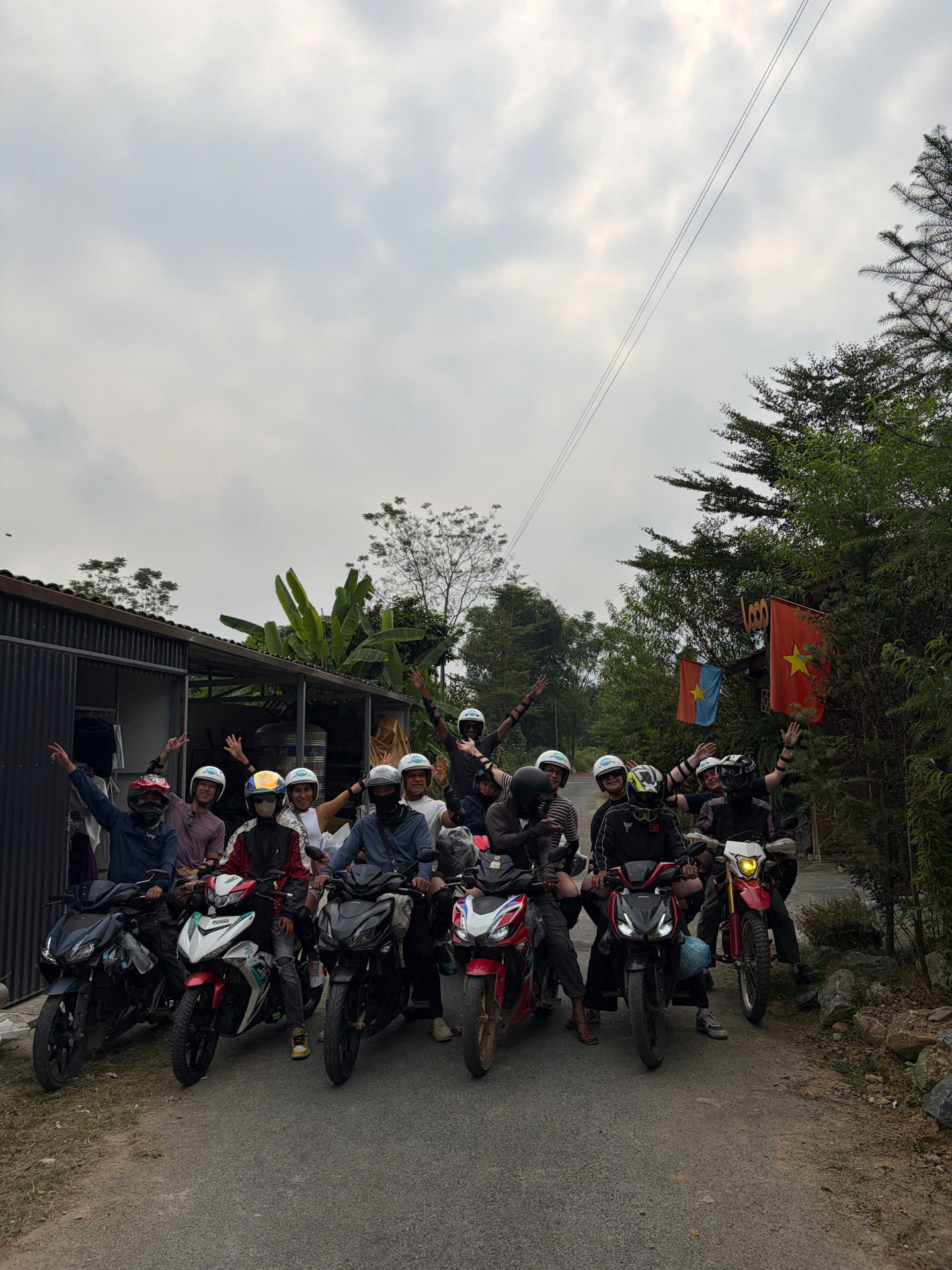
If you travel with The Loop Tours, this part of the itinerary becomes much easier. Local guides know where to stop, when the light is good, and how to avoid rushing through the most scenic sections.
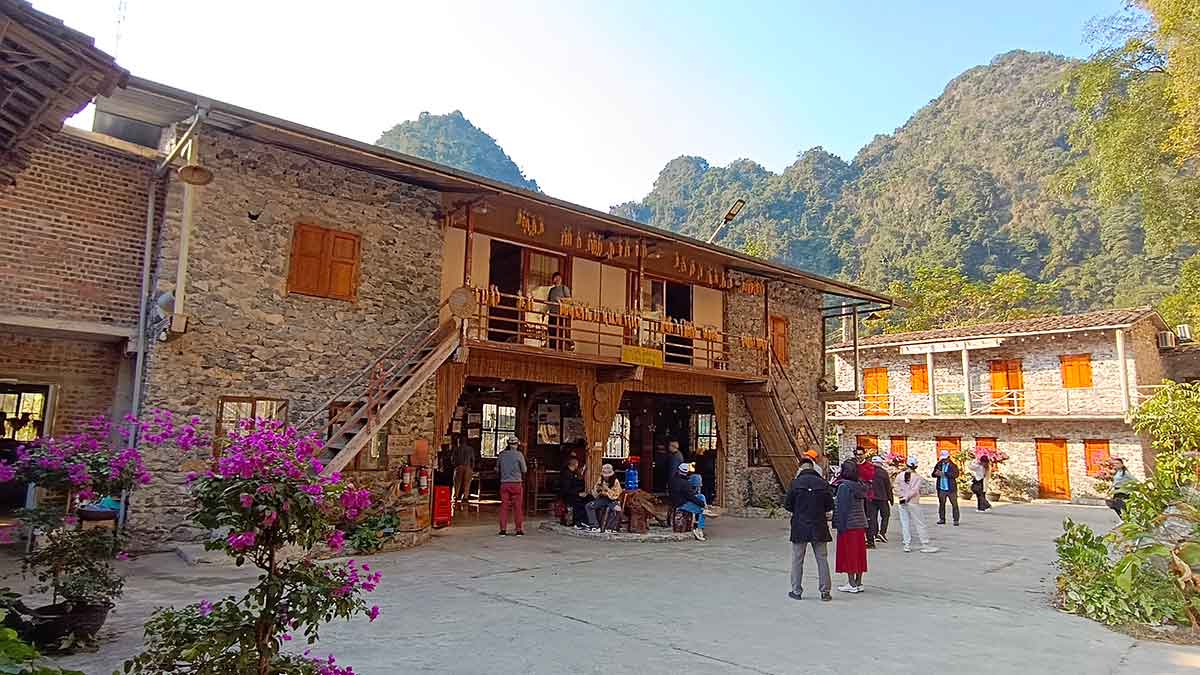
Day 4: Khuoi Ky Stone Village, Nguom Ngao Cave, and Ban Gioc Waterfall
This is the highlight of many Cao Bang photography trips. Start the day in or near Khuoi Ky Stone Village if possible. The village is famous for its traditional stone houses, narrow paths, and peaceful Tay ethnic atmosphere. Early morning is the best time to photograph the village because the light is soft and daily life begins quietly.
Focus on stone textures, wooden balconies, village paths, streams, and mountain backgrounds. Try to capture the feeling of the place, not only the architecture. A person walking through a stone lane or smoke rising from a kitchen can make the image much stronger.
Next, visit Nguom Ngao Cave. Cave photography can be challenging because of low light, but it is worth trying. Use a steady hand, a higher ISO if needed, and focus on shapes, shadows, and natural formations. A wide-angle lens can be useful, but even a phone can capture interesting cave scenes if you pay attention to composition.
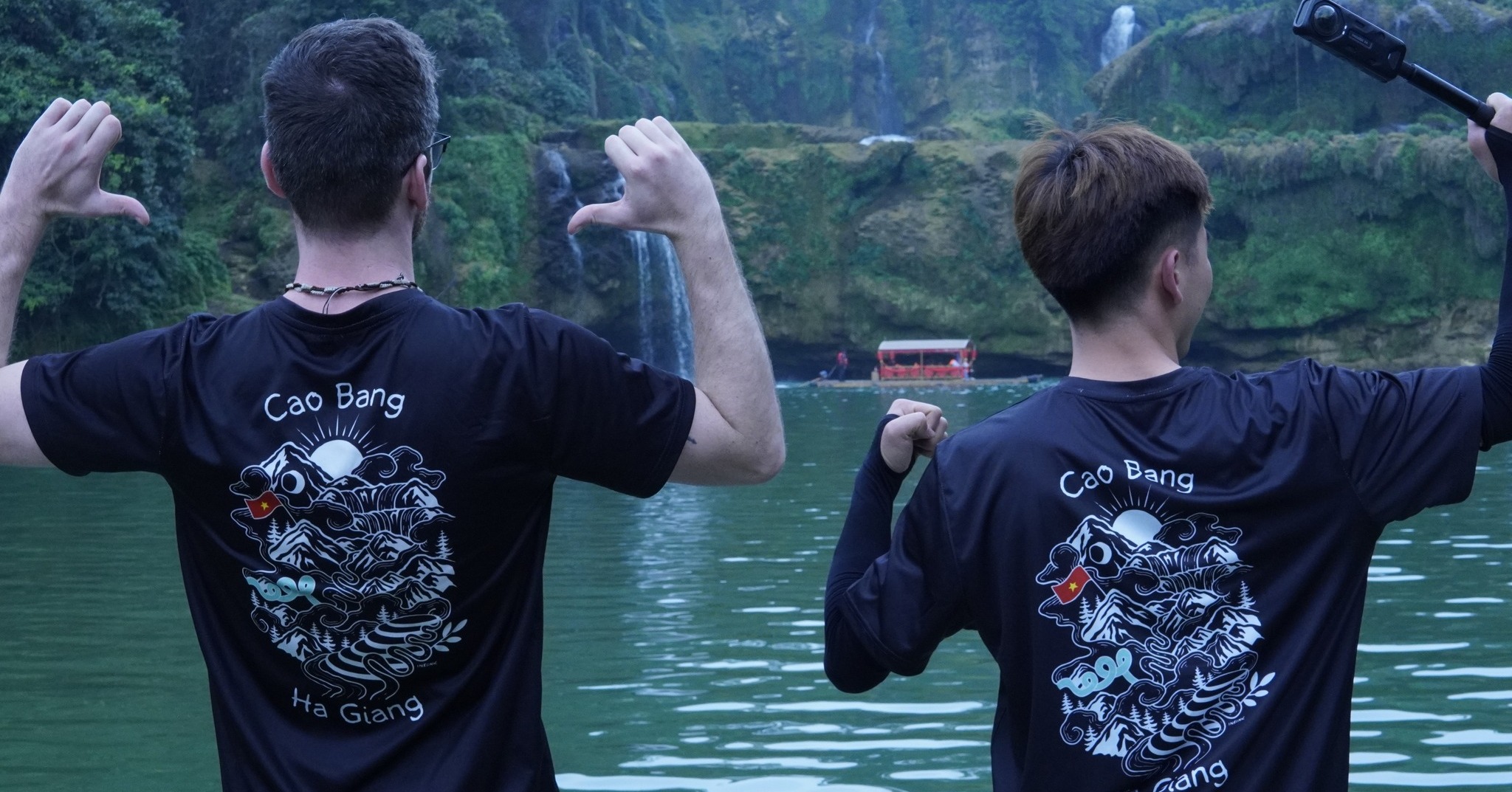
In the afternoon, visit Ban Gioc Waterfall. This is one of the most iconic photography locations in Cao Bang. The waterfall offers many compositions: wide landscape shots, long-exposure water images, raft scenes, close-ups of falling water, and views framed by mountains.
For the best results, avoid harsh midday light if possible. Early morning or late afternoon usually gives softer light and a more peaceful atmosphere. If you want long-exposure shots, bring a tripod and neutral density filter.
Best Photography Tips for Cao Bang
To get the most from your Cao Bang photography itinerary, plan around light. Sunrise and late afternoon are usually the best times for landscapes and villages. Midday can be useful for caves, food photography, and shaded scenes.
Bring a versatile lens if you are using a camera. A wide-angle lens is useful for landscapes, caves, and waterfalls. A standard zoom works well for street scenes and travel portraits. A telephoto lens can help capture mountain layers, people from a respectful distance, and details across valleys.
If you use a phone, focus on composition and timing. Clean your lens often, use grid lines, avoid over-zooming, and look for leading lines, reflections, frames, and natural contrast.
Weather can change quickly in Cao Bang, so bring rain protection for your gear. A dry bag, lens cloth, light rain jacket, and waterproof cover are very useful, especially if you ride a motorbike.

Responsible Photography in Cao Bang
Cao Bang is not a studio. It is home to real people, local communities, and sensitive cultural spaces. Good photography should be respectful. Always ask before taking close-up portraits, especially of elders and children. Do not enter private houses, fields, or sacred spaces without permission.
Support local communities when possible. Stay in homestays, eat local food, buy local products, and travel with responsible operators. The best travel photos often come from meaningful interactions, not rushed or intrusive moments.
Plan Your Cao Bang Photography Trip with The Loop Tours
A photography trip in Cao Bang requires good timing, flexible routing, and local knowledge. Distances can be long, mountain roads can be slow, and the best photo spots are sometimes hidden between famous attractions. If you plan everything alone, you may miss beautiful viewpoints or arrive at the wrong time of day.
That is why booking your journey with The Loop Tours is a smart choice. The Loop Tours helps travelers create a smoother and more authentic Cao Bang Loop experience. Instead of worrying about roads, accommodation, food stops, and timing, you can focus on capturing the journey.
With The Loop Tours, your itinerary can include Ban Gioc Waterfall, Nguom Ngao Cave, Khuoi Ky Stone Village, Phia Oac, Phia Den, Pac Bo, mountain passes, local markets, homestays, and hidden viewpoints. The team can help you travel at a better pace, stop at scenic places, and experience Cao Bang beyond the usual tourist route.
Whether you are a professional photographer, a content creator, or a traveler who simply loves beautiful images, The Loop Tours can help you turn your Cao Bang journey into a powerful visual story.
Final Thoughts
This Cao Bang photography itinerary is designed for travelers who want to capture the natural beauty, culture, and atmosphere of northern Vietnam. From misty mountains and traditional villages to caves, waterfalls, rivers, and local food, Cao Bang offers endless opportunities for meaningful photography.
The key is to travel slowly, respect local life, and plan your route around light and timing. Some of your best photos may come from famous places like Ban Gioc Waterfall, but others may come from quiet roads, morning markets, homestay dinners, or unexpected stops along the way.
For a smoother and more rewarding photography journey, book your Cao Bang adventure with The Loop Tours. Let local experts help you discover the best routes, authentic stays, and unforgettable photo moments across Cao Bang.
Book your Cao Bang Loop with The Loop Tours today and capture the wild, peaceful, and unforgettable beauty of northern Vietnam.
FAQs About Cao Bang Photography Itinerary
How many days do I need for a Cao Bang photography trip?
Three to four days is a good amount of time for a basic Cao Bang photography itinerary. If you want to travel slowly and capture more villages, markets, and sunrise scenes, five days is even better.
What is the best place to photograph in Cao Bang?
Ban Gioc Waterfall is the most iconic photography location, but Khuoi Ky Stone Village, Phia Oac, Phia Den, Pac Bo, Nguom Ngao Cave, and mountain passes are also excellent.
What is the best time of day for photography in Cao Bang?
Early morning and late afternoon are usually best for landscapes and villages. Midday can work well for caves, food, and shaded local scenes.
Can The Loop Tours help plan a photography-focused itinerary?
Yes. The Loop Tours can help plan a Cao Bang Loop itinerary with scenic stops, local villages, homestays, waterfalls, caves, and better timing for photography.