

If you are planning a trip to Cao Bang, understanding Ban Gioc waterfall dry season vs rainy season will help you choose the best time for your journey. Ban Gioc Waterfall is one of the most beautiful natural attractions in northern Vietnam, famous for its wide cascades, emerald water, limestone mountains, and peaceful borderland scenery. However, the experience can feel very different depending on the season.
During the rainy season, Ban Gioc becomes powerful, dramatic, and full of energy. During the dry season, the waterfall is calmer, clearer, and easier to explore. Neither season is completely better than the other. The best time depends on your travel style, photography goals, comfort level, and itinerary.
This guide compares the dry season and rainy season at Ban Gioc Waterfall so you can decide when to visit and how to plan your Cao Bang adventure with The Loop Tours.
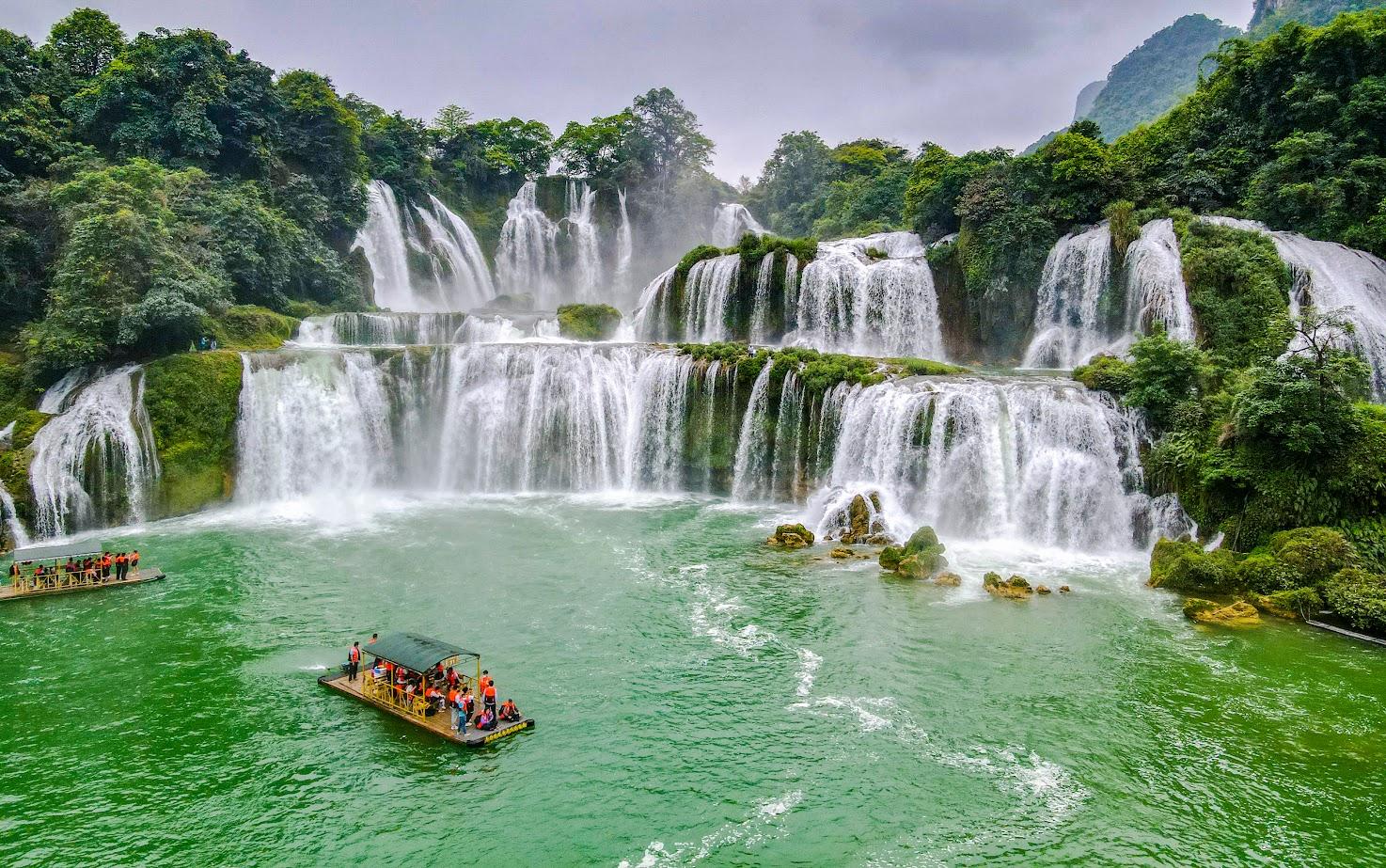
Overview of Ban Gioc Waterfall Seasons
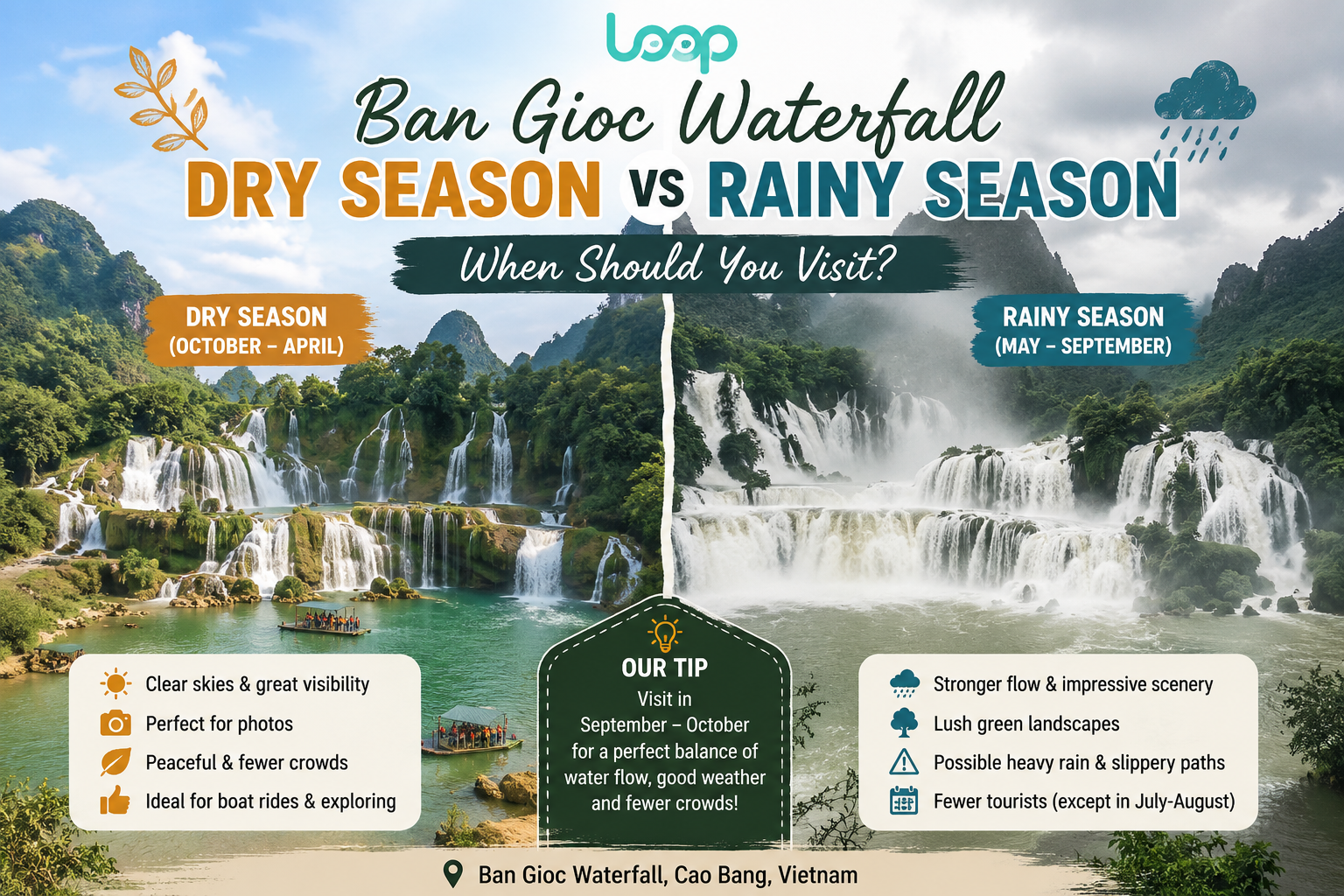
Cao Bang generally has two main travel seasons: the dry season and the rainy season. The dry season usually runs from around October to April, while the rainy season often falls between May and September. These months can vary slightly each year, but this general pattern is useful for planning.
Ban Gioc Waterfall is fed by the Quay Son River, so the amount of water changes with rainfall. After heavy rain, the waterfall becomes larger, stronger, and louder. During drier months, the flow may be gentler, and some smaller streams can appear thinner.
When comparing Ban Gioc waterfall dry season vs rainy season, you should think about four main factors: water volume, road conditions, photography, and overall comfort.
Ban Gioc Waterfall in the Dry Season
The dry season is a popular time for travelers who want easier road conditions and more predictable weather. From around October to April, rainfall is usually lower, the skies may be clearer, and the roads are generally more comfortable for road trips, motorbike tours, and private car journeys.
At Ban Gioc Waterfall, the water flow during the dry season is usually calmer than during the rainy season. This means the waterfall may not look as powerful, especially near the end of the dry season. However, the scenery can still be beautiful. The water often looks cleaner and greener, the surrounding landscape feels peaceful, and walking around the area is more comfortable.
For travelers who prefer a relaxed visit, the dry season can be a great choice. It is easier to combine Ban Gioc with Nguom Ngao Cave, Khuoi Ky Stone Village, Trung Khanh, and other stops on the Cao Bang Loop. If you are traveling with children, older family members, or anyone who does not like heavy rain, the dry season is usually more convenient.
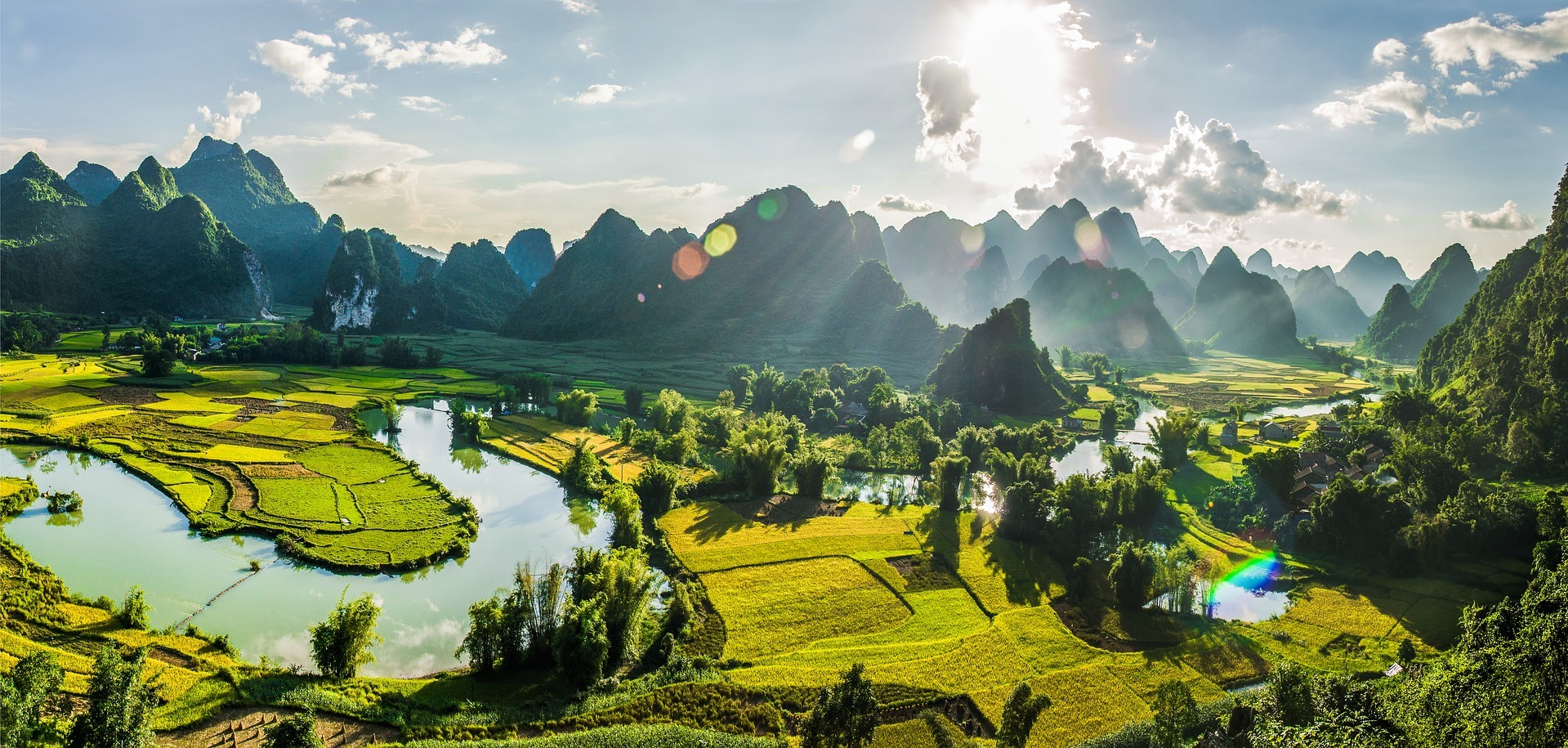
Advantages of Visiting in the Dry Season
One major advantage of the dry season is comfort. Roads are less likely to be slippery, rain delays are less common, and outdoor activities are easier to plan. This is especially important if you are doing a multi-day Cao Bang Loop or combining Cao Bang with Ha Giang.
Photography can also be easier in the dry season. You may have clearer skies, better visibility, and more stable light. The waterfall may look calmer, but the surrounding limestone mountains, river, and fields can still create beautiful compositions.
Another benefit is that Nguom Ngao Cave, Khuoi Ky Stone Village, and local countryside roads are easier to explore. You can walk around villages, take photos, visit viewpoints, and enjoy local food without constantly worrying about rain.
Disadvantages of Visiting in the Dry Season
The main disadvantage is water volume. If your dream is to see Ban Gioc Waterfall at its most powerful, the dry season may feel less dramatic. Toward the later dry months, especially before the rainy season begins, some parts of the waterfall may look smaller than expected.
The landscape can also feel less lush compared with the rainy season. Rice fields, grassland, and vegetation may not be as green depending on the month. For travelers who want a wild, misty, and powerful waterfall scene, the dry season may feel too quiet.
Still, for many visitors, the comfort and ease of travel make the dry season a strong option.
Ban Gioc Waterfall in the Rainy Season
The rainy season brings a completely different mood to Ban Gioc Waterfall. From around May to September, rain increases across northern Vietnam, and the waterfall receives more water. This is when Ban Gioc can look most powerful and impressive.
During the rainy season, the cascades are wider, louder, and more dramatic. Mist rises from the falling water, the surrounding mountains look greener, and the whole landscape feels alive. For many photographers and adventure travelers, this is the most exciting time to visit.
The rainy season is also beautiful because the countryside around Trung Khanh becomes lush and vibrant. Rice fields, rivers, and mountain slopes often look greener, making the journey to Ban Gioc just as rewarding as the waterfall itself.
Advantages of Visiting in the Rainy Season
The biggest advantage of the rainy season is the waterfall’s power. If you want to see Ban Gioc at its most dramatic, this is the season to consider. The water volume is higher, the sound is stronger, and the scenery feels more cinematic.
Photography can be excellent during this period, especially if you like mist, clouds, deep green landscapes, and dramatic skies. The rainy season can create atmospheric images that are difficult to capture during dry months.
The countryside is another highlight. Roads through Cao Bang become greener and more vibrant, making the Cao Bang Loop especially scenic. If you travel with a good guide and flexible schedule, the rainy season can be unforgettable.
Disadvantages of Visiting in the Rainy Season
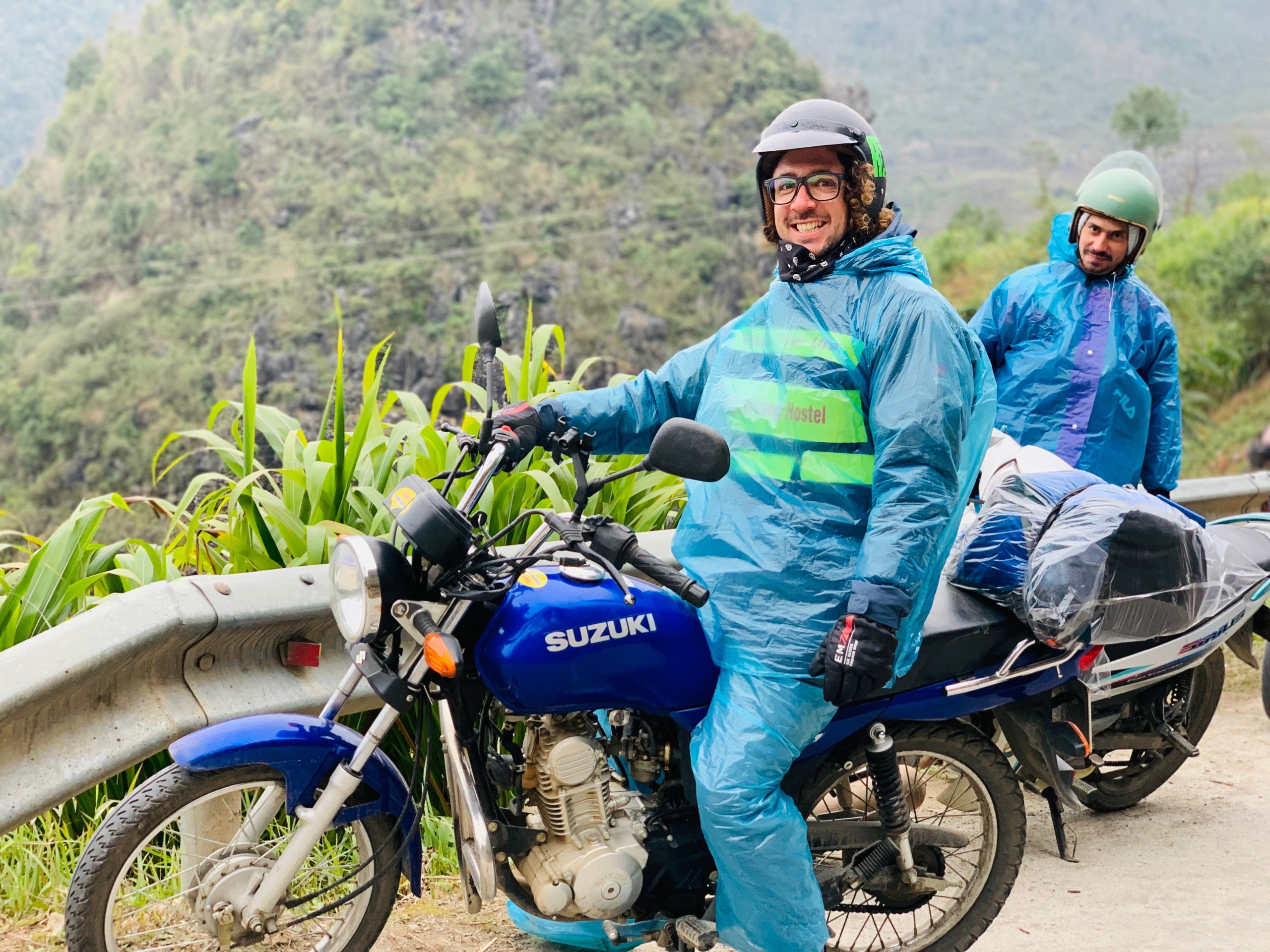
The rainy season also has challenges. Heavy rain can affect road conditions, visibility, and travel timing. Mountain roads may become slippery, and sudden showers can change your plan quickly. If you are self-riding a motorbike, you need to be extra careful.
Rain can also make photography harder. While mist and clouds are beautiful, heavy rain may cover the view or make it difficult to protect your camera and phone. Paths near the waterfall may be wet, so good shoes and rain protection are important.
For families, older travelers, or people who prefer a comfortable trip, the rainy season may require more planning. A private car, Easy Rider, or guided tour is often better than traveling independently during this time.
Best Months for Ban Gioc Waterfall
If you want a balance between strong water flow and better weather, September and October are often excellent months. The waterfall usually still has good volume after the rainy season, while the weather can become more comfortable. This period is also attractive for photography because the countryside may still look green and fresh.
March and April can be good for travelers who prefer drier weather and easier road conditions, but the waterfall may be less powerful. June to August can be great for dramatic water volume, but you should prepare for rain and possible travel delays.
In short, the best month depends on what you want. Choose the dry season for comfort and easier planning. Choose the rainy season for drama and lush scenery. Choose the transition months for a balanced experience.
Dry Season vs Rainy Season: Which Is Better for Photography?
For photography, both seasons have advantages. The dry season is better for clear views, easier movement, and stable shooting conditions. It is good for wide landscape photos, village scenes, road trip content, and relaxed travel photography.
The rainy season is better for power, mood, and atmosphere. The waterfall looks stronger, the mountains are greener, and the mist can make photos feel more dramatic. However, you need to protect your gear and stay flexible.
If you are a casual traveler using a phone, the dry season may be easier. If you are a serious photographer looking for dramatic scenes, the rainy season or post-rainy season may be more rewarding.
Dry Season vs Rainy Season for the Cao Bang Loop
If Ban Gioc is part of a wider Cao Bang Loop, seasonal planning matters even more. The dry season is usually easier for multi-day travel because roads are more predictable and outdoor stops are simpler. This is ideal for families, couples, and first-time visitors.
The rainy season can make the loop more beautiful but also more demanding. You should avoid rushing, check weather conditions, and travel with experienced local support. The landscape can be stunning, but flexibility is important.
This is where The Loop Tours can help. Instead of guessing which route works best in each season, you can travel with a team that understands local roads, timing, weather, and suitable overnight stops.
What to Pack for Each Season
For the dry season, bring comfortable clothes, a light jacket, sunscreen, sunglasses, walking shoes, and a camera. Winter months can be cool, especially in the morning and evening, so warm layers are useful.
For the rainy season, bring a rain jacket, waterproof bag, quick-dry clothes, good shoes, insect repellent, and protection for your phone or camera. If you travel by motorbike, proper riding gear is essential.
In both seasons, carry cash, passport, water, snacks, and basic medicine. Cao Bang is remote in some areas, so it is better to be prepared.
Plan Your Ban Gioc Trip With The Loop Tours
Choosing between Ban Gioc waterfall dry season vs rainy season can be easier when you have local guidance. Each season offers something different, but the best experience depends on timing, road conditions, accommodation, transport, and your travel style.
With The Loop Tours, you can plan your Cao Bang journey in a way that matches the season. If you travel in the dry season, the team can help create a comfortable route with waterfalls, caves, villages, viewpoints, and homestays. If you travel in the rainy season, local support can help you adjust the route, avoid risky roads, and visit Ban Gioc when conditions are better.
For most travelers, the 3-day Cao Bang tour is a strong choice because it gives enough time to combine Ban Gioc Waterfall with Nguom Ngao Cave, Khuoi Ky Stone Village, Angel Eye Mountain, scenic valleys, and local culture. If you want a bigger adventure, The Loop Tours can also help combine Cao Bang with Ha Giang for a longer northern Vietnam route.
Final Thoughts
When comparing Ban Gioc waterfall dry season vs rainy season, there is no single perfect answer. The dry season offers easier travel, clearer weather, and a peaceful waterfall experience. The rainy season brings stronger water flow, greener landscapes, and more dramatic scenery.
For comfort, choose the dry season. For power and atmosphere, choose the rainy season. For the best balance, consider the months around September and October.
No matter when you visit, Ban Gioc Waterfall is one of the most unforgettable places in northern Vietnam. For a smoother and more memorable trip, book your Cao Bang adventure with The Loop Tours and let local experts help you choose the right route, timing, and season for your journey.